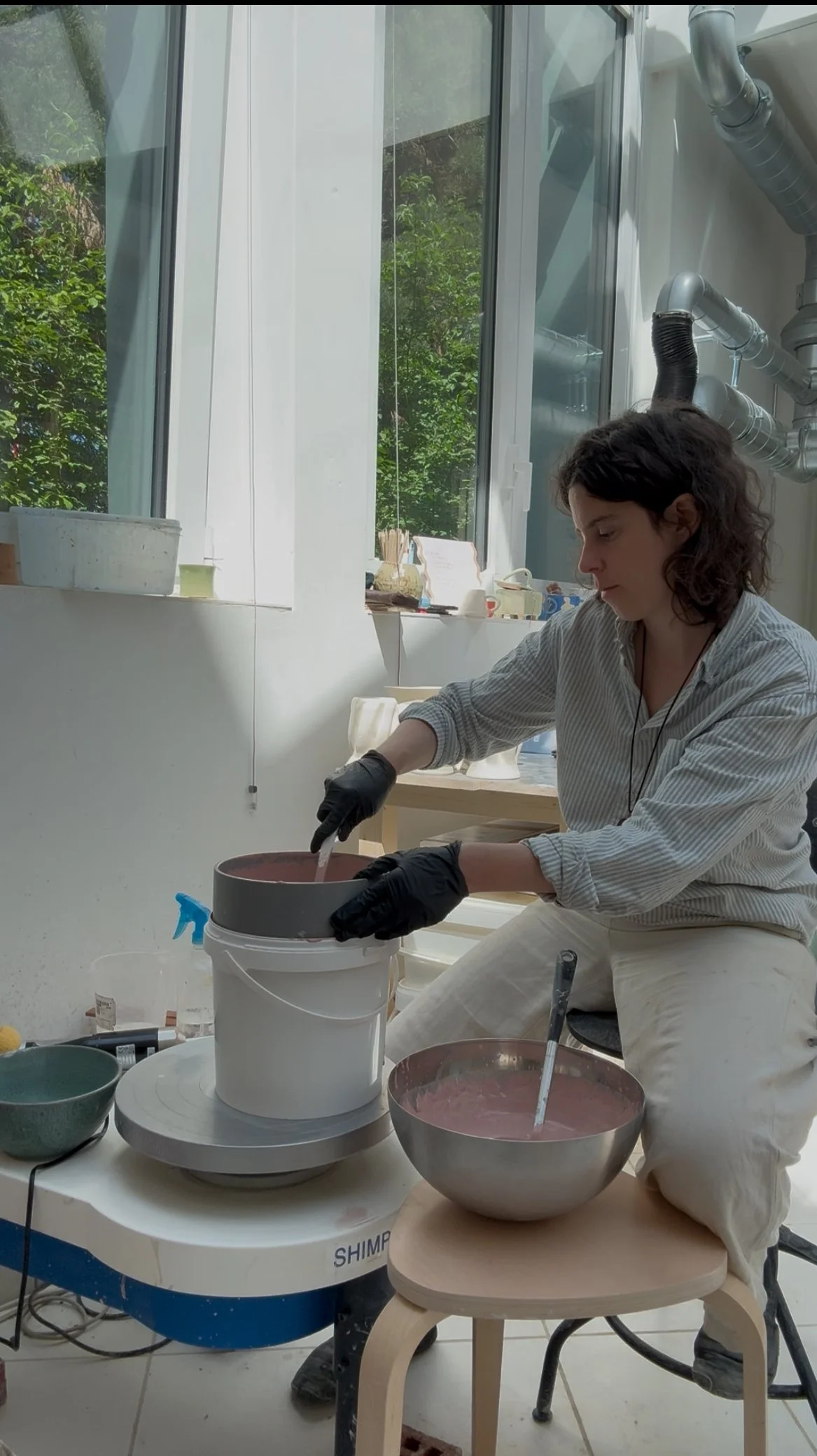
What "Food Safe Glaze" Actually Means — And Why It Matters More Than You Think
"Food safe glaze" sounds reassuring. But in Switzerland, the law only sets migration limits for two metals — lead and cadmium. No legal limit exists for arsenic, cobalt, nickel, zinc, or eleven other elements that can migrate into your food. Here is what independent testing actually means, and why it matters more than a label.
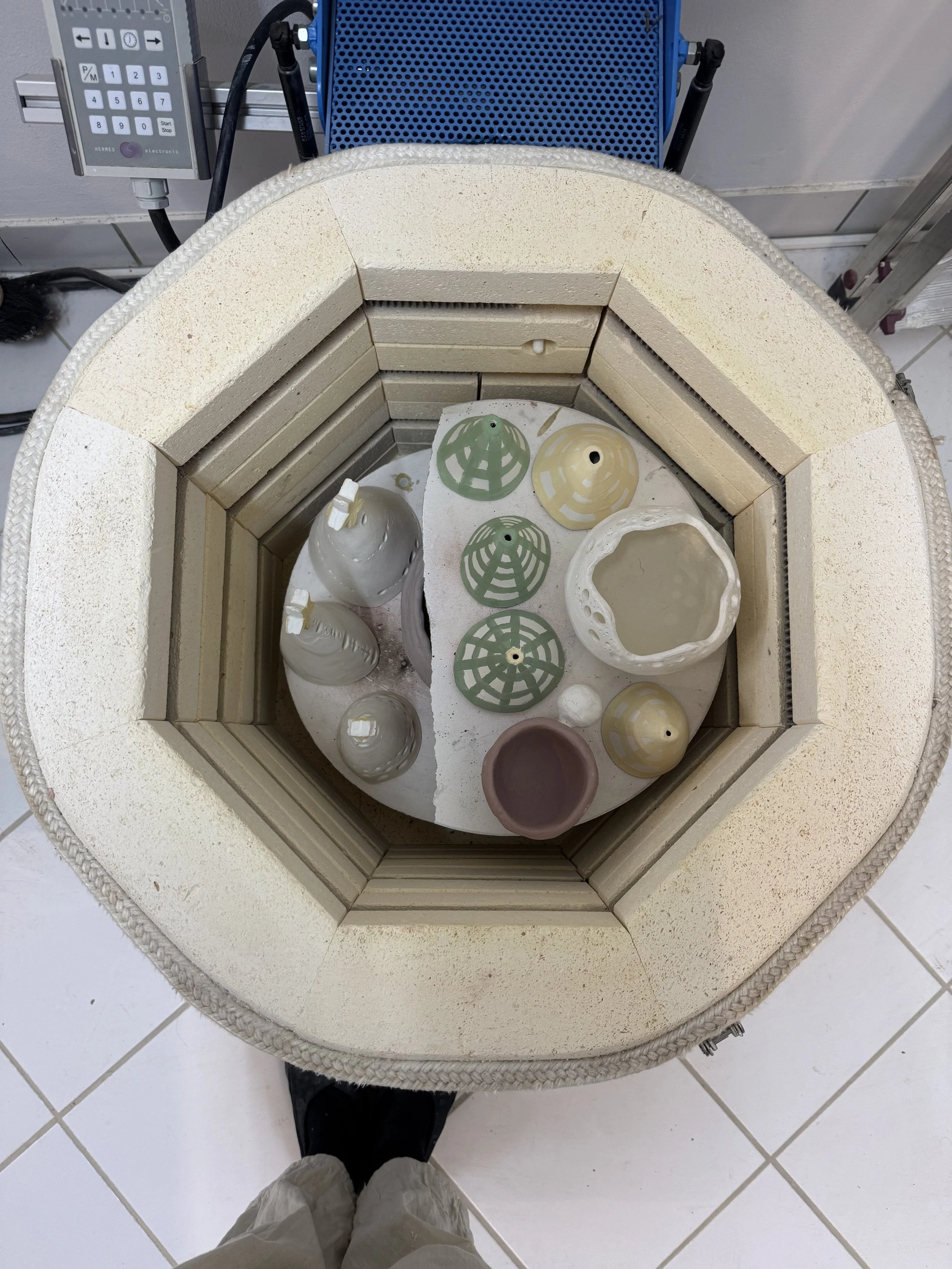
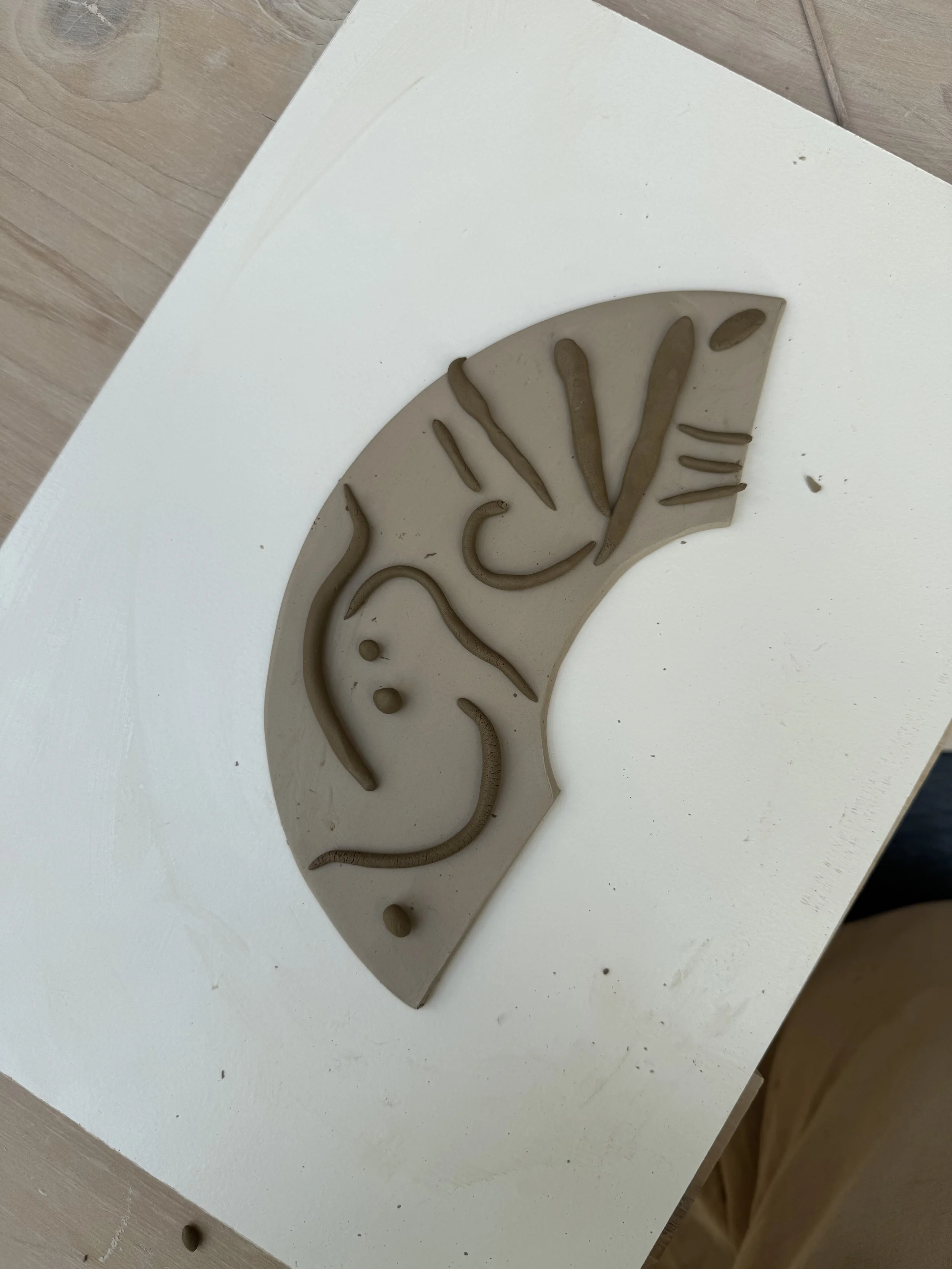
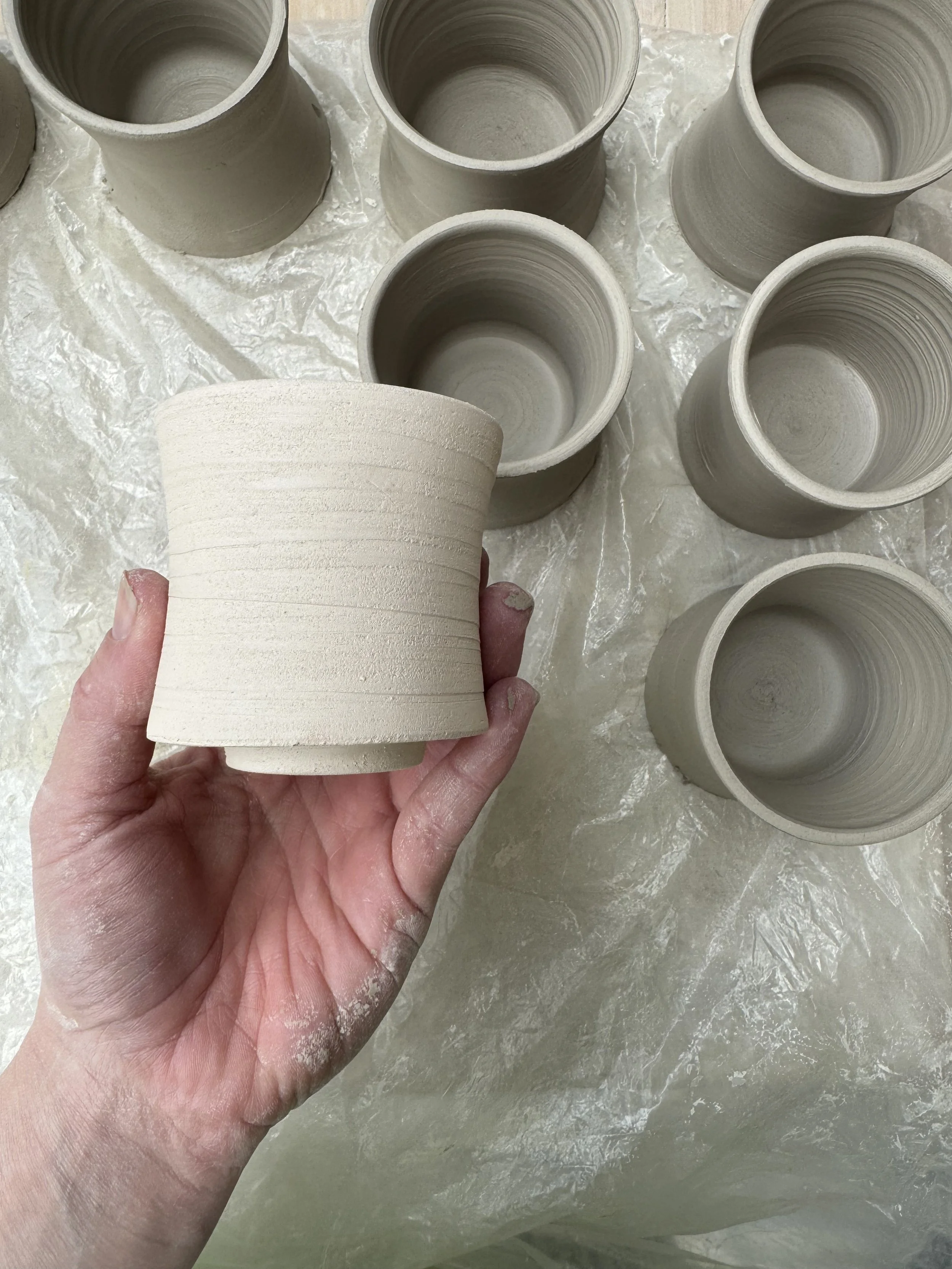
A Slower, More Attentive Way to Learn Wheel Throwing in Zürich
A more attentive approach to wheel throwing in Zürich. Explore how working with movement, breath and clay can lead to greater stability, precision and understanding over time.
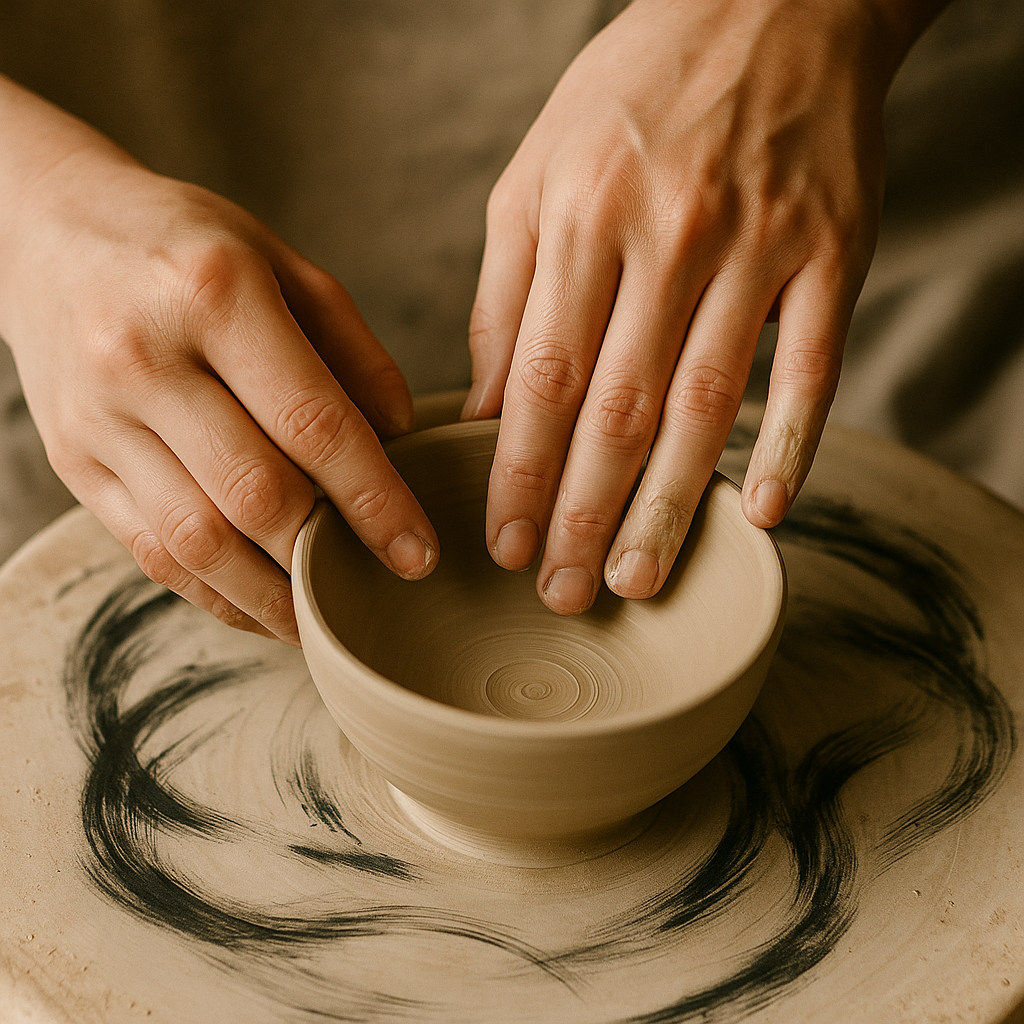
Pottery & Taoism: Balancing the Five Elements Through Clay
In Taoism, harmony comes from the balance of the Five Elements. Pottery brings all of them together: the grounding of Earth, the adaptability of Water, the structure of Metal, the creativity of Wood, and the transformative power of Fire. Through clay, this philosophy becomes tangible.

Temporal Dynamics in BaZi and Taoist Thought
In BaZi, a person’s chart takes shape at the moment of birth—a snapshot of time. In Taoist thought, time is not merely passing, but a living field structured by the ten Heavenly Stems and twelve Earthly Branches, forming the sixty-stage cycle of change. This article explores how these temporal dynamics interplay with the Five Elements and our daily life.
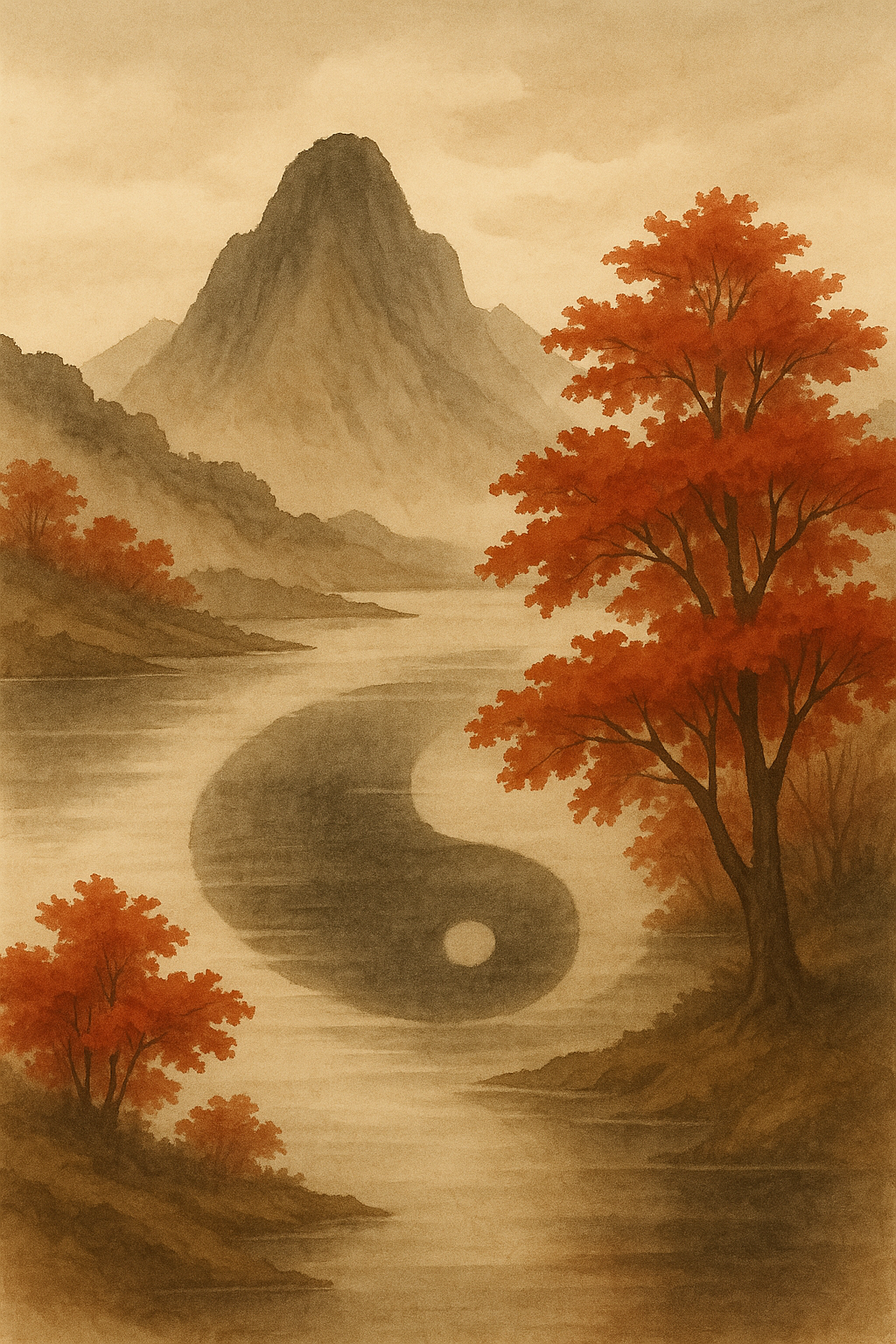
Riding the Wave of the Tao - Keys concepts of Taoism
At the heart of Taoism lies a simple yet profound observation: everything in life moves, shifts, and transforms. Nothing is fixed, and harmony is found not by controlling change, but by flowing with it. Taoist principles—like Yin and Yang, the Five Elements, and the Three Chances—are ways of describing this movement. They give us a language to understand balance, and gentle tools to live more smoothly within the great rhythm of nature.

Should I really place my bed facing north and where does astrology come from ?
We’ve all heard the advice: you should place your bed facing north. But where does this idea come from? Is it just superstition, or is there something deeper going on?
For the past few centuries, we’ve lived in a world shaped by naturalism[1]. But humans haven’t always seen the world this way. According to the anthropologist Philippe Descola, there are four major ways human cultures relate to the world: animism, totemism, naturalism, and analogism[2]. Each of these modes brings its own understanding of how humans interact with animals, plants, and the cosmos.